
FAQ
How to Choose Cold Lamination Film for Large-Format Printing & Signage: A B2B Buyer’s Guide
How to Choose Cold Lamination Film for Large-Format Printing & Signage
Choosing the right cold lamination film involves more than selecting a glossy or matte finish. For professional large-format printing and signage, buyers should also consider the finished application, viewing environment, roll width, required surface appearance, outdoor exposure and the complete print-and-lamination system.
Cold lamination film is a pressure-sensitive overlaminate applied without external heat. If you are looking for the basic definition, product types and general applications, start with: What Is Cold Lamination Film? Definition, Types, Applications & Benefits. This guide focuses instead on the next question: Which cold lamination film should you choose for your actual project?
Quick Answer: Which Cold Lamination Film Should You Choose?
Use the following as a practical starting point. These are starting points rather than universal rules — final product selection should consider the printed media, ink system, mounting surface, application environment and the specifications of the selected lamination product.
| Requirement | Suggested Starting Point |
|---|---|
| Brighter, more reflective visual appearance | Glossy Cold Lamination Film |
| Softer, lower-reflection appearance | Matte Cold Lamination Film |
| A balance between glossy and matte appearance | Semi-Matte Cold Lamination Film |
| Outdoor graphic where UV-related fading is a concern | Anti-UV / UV-Cut Lamination Option |
| Floor graphic requiring an embossed or textured protective surface | Embossed Floor Graphic Cold Lamination Film |
| General printed graphic protection | Standard Cold Lamination Film, selected according to finish and application |
1. Start with the Final Application
The first question should not be "Which film is cheapest?" It should be: Where will the finished graphic be used?
Cold lamination film may be used with commercial graphics such as:
- Indoor signage
- Retail displays
- POP graphics
- Exhibition graphics
- Promotional panels
- Window and display graphics
- Outdoor advertising graphics
- Floor graphics
Different applications create different requirements for surface appearance, protection and installation.
2. Choose the Surface Finish According to the Viewing Environment
Surface finish is one of the most visible differences between cold lamination films.
Glossy Cold Lamination Film
Glossy film provides a brighter and more reflective appearance. It is a useful starting point when the finished graphic is intended to have a more visually vivid or polished surface.
Matte Cold Lamination Film
Matte film provides a softer, lower-reflection appearance. It can be considered for graphics displayed under stronger ambient or overhead lighting, where a less reflective presentation is preferred.
Semi-Matte Cold Lamination Film
Semi-Matte Film provides a visual appearance between glossy and matte. It can be considered when buyers want some surface sheen without the stronger reflection associated with a high-gloss finish.
For a detailed comparison of surface finishes, read: Matte vs Glossy Lamination Film: Which One Should You Choose?
Compare the standard surface-finish range: Glossy, Matte & Semi-Matte Cold Lamination Films.
Important: Finish Is Not the Same as Performance
Glossy, Matte and Semi-Matte primarily describe the surface appearance. Buyers should not automatically assume that glossy is more durable, matte is always better indoors, semi-matte is a premium grade, or that one finish automatically provides better outdoor performance. Performance should be evaluated according to the complete product specification and finished graphic system.
3. Do You Need Additional UV-Related Protection?
For graphics exposed to sunlight or outdoor environments, UV-related fading may become one of the purchasing considerations. Jiu Mao provides Anti-UV and UV-Cut lamination options within its current product range. These products are designed to help reduce UV-related fading, rather than being treated as a guarantee that printed graphics will not fade.
Outdoor durability depends on multiple factors including:
- Printed media
- Ink system
- Color density
- Lamination film
- Surface exposure
- Weather conditions
- Installation environment
Buyers should confirm the applicable product specification and available supporting documentation before volume production.
→ Anti-UV Glossy Cold Lamination Film with Liner
→ Low-Tack Super Gloss UV-Cut Lamination Film with PET Liner
4. Do You Need Lamination for Floor Graphics?
Floor graphics have different requirements from wall, window or signboard graphics. Jiu Mao provides Embossed Floor Graphic Cold Lamination Film with a textured surface designed for floor graphic applications.
The embossed or textured surface should not automatically be described as certified anti-slip unless an applicable slip-resistance test method, result and local project requirement have been confirmed. For projects where slip resistance is required, buyers should confirm the applicable test standard, project specification, installation environment, local regulations and relevant product test documentation.
5. Match the Roll Width to the Printer and Finished Graphic
Roll width is a practical but important purchasing factor. The selected film should be appropriate for:
- Printer or laminator width
- Printed media width
- Finished graphic dimensions
- Trimming allowance
- Production efficiency
Jiu Mao currently provides multiple roll widths across its cold lamination film range, including 940 mm, 1295 mm, 1370 mm and 1550 mm depending on the selected product. Buyers should confirm the available widths for their selected product before ordering.
6. Consider Film Thickness and Adhesive Construction
Film thickness and adhesive construction are separate specifications from surface finish.
Film Thickness
Thicker film does not automatically mean better performance. Thickness should be selected according to the application requirement and product specification, not assumed to be a grade indicator.
Adhesive & Liner
Cold lamination film uses pressure-sensitive adhesive. Adhesive type and liner construction affect the lamination result. Buyers should confirm these specifications before production.
Buyers should not assume that a thicker film, stronger adhesive or heavier liner automatically equals a more suitable or more durable product for every application. System compatibility between the printed media, lamination film and installation surface should always be verified before volume production.
Cold Lamination Film Selection by Application
This table is intended as a selection guide rather than a universal product specification.
| Application | Suggested Starting Point | Main Consideration |
|---|---|---|
| Retail promotional graphics | Glossy / Matte / Semi-Matte | Desired visual appearance |
| Indoor exhibition graphics | Matte / Semi-Matte | Lower-reflection presentation may be preferred |
| Signboards and advertising panels | Glossy / Matte | Finish and complete graphic system |
| Outdoor advertising graphics | Select according to project conditions; consider Anti-UV / UV-Cut where UV exposure is a concern | Exposure conditions and UV-related fading requirements |
| Floor graphics | Embossed Floor Graphic Lamination | Textured surface and project requirements |
| High-visibility promotional graphics | Glossy | Brighter, more reflective appearance |
| Presentation-oriented graphics | Matte / Semi-Matte | Softer visual appearance |
Real-World Large-Format Graphic Applications
Cold lamination and printable graphic media are commonly used as part of complete large-format graphic systems for:
- Retail environments
- Exhibitions and trade shows
- Commercial advertising displays
- Wall and partition graphics
- Promotional graphics
- Storefront and window applications
- Event displays
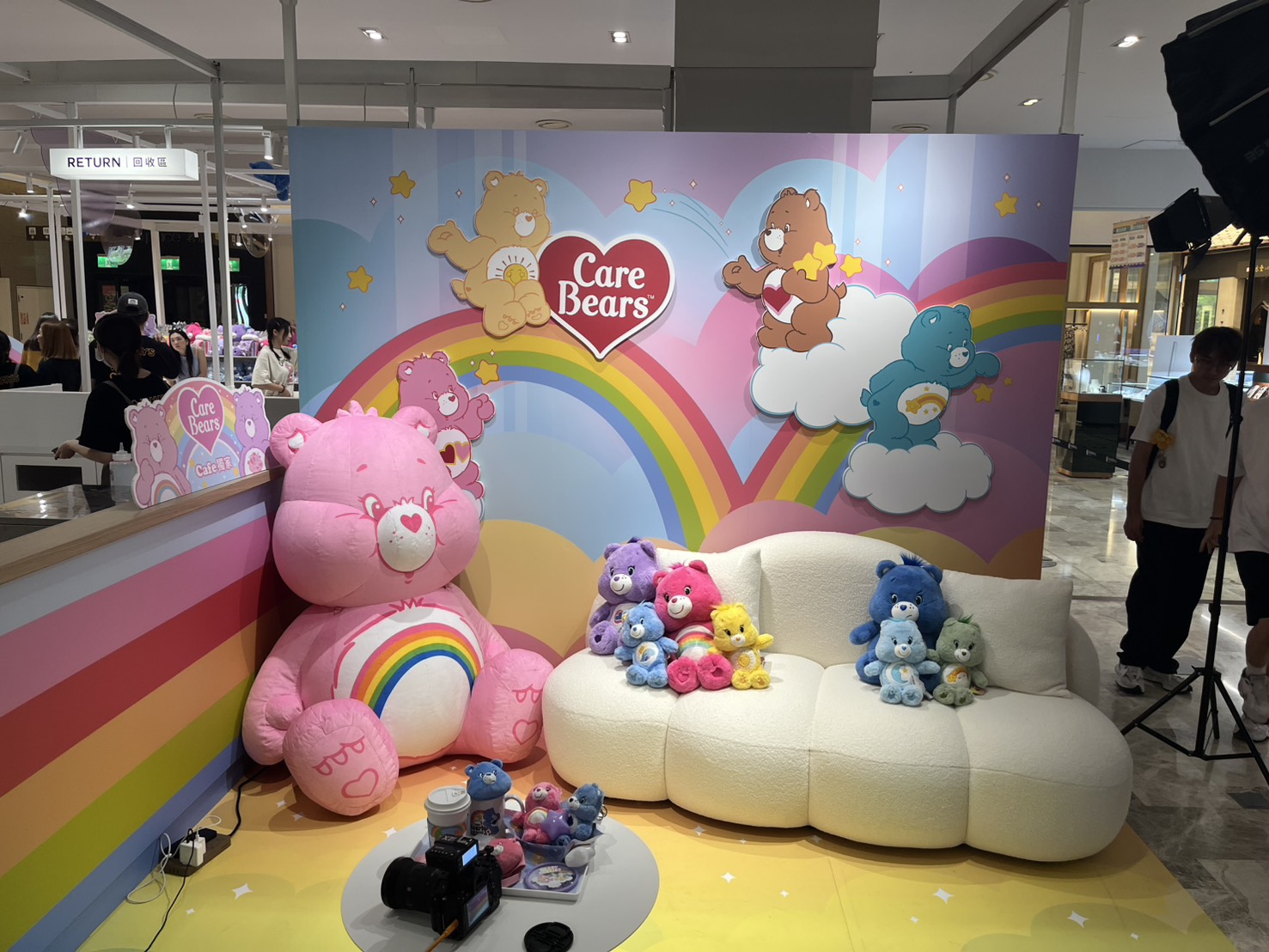
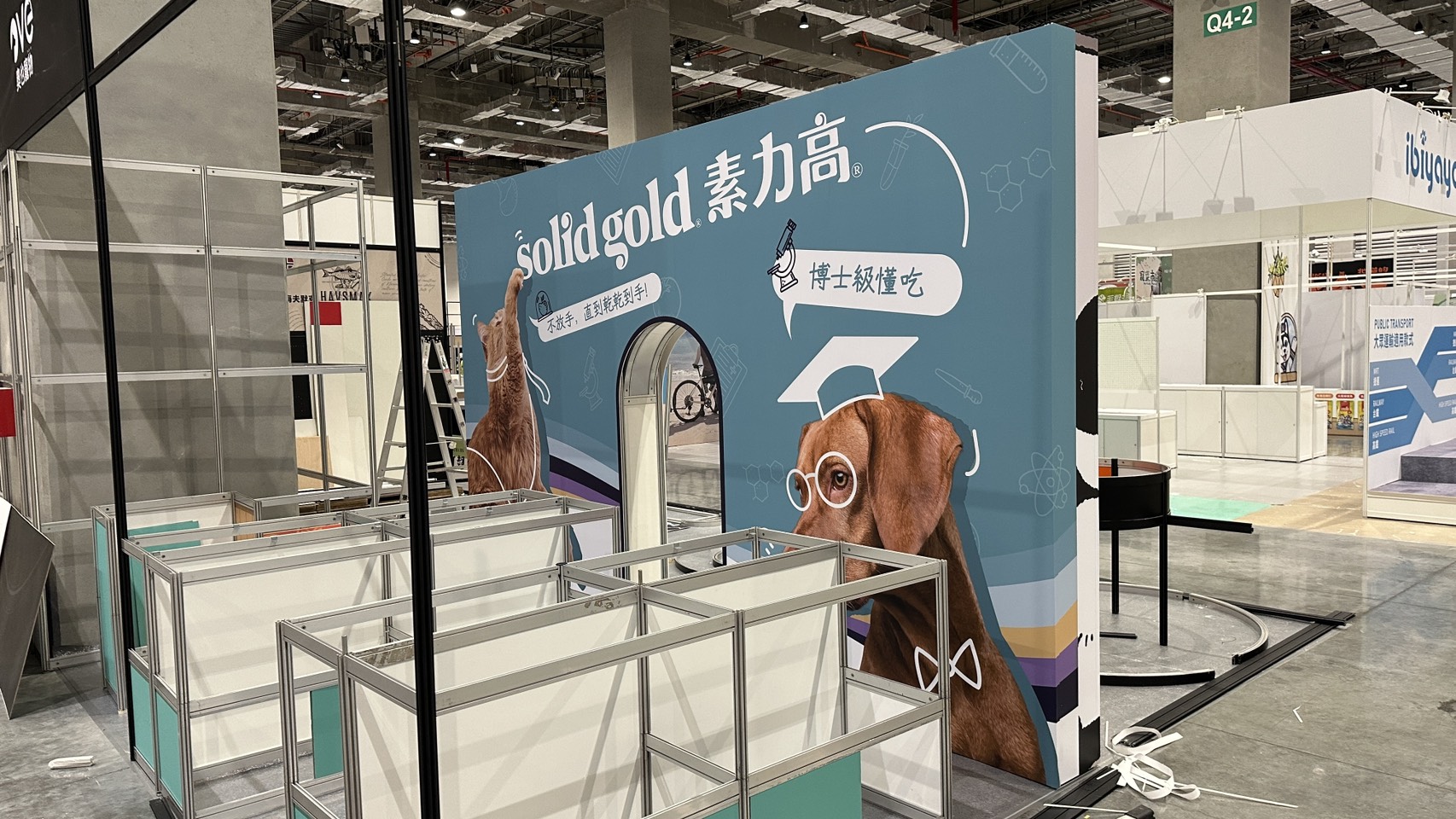
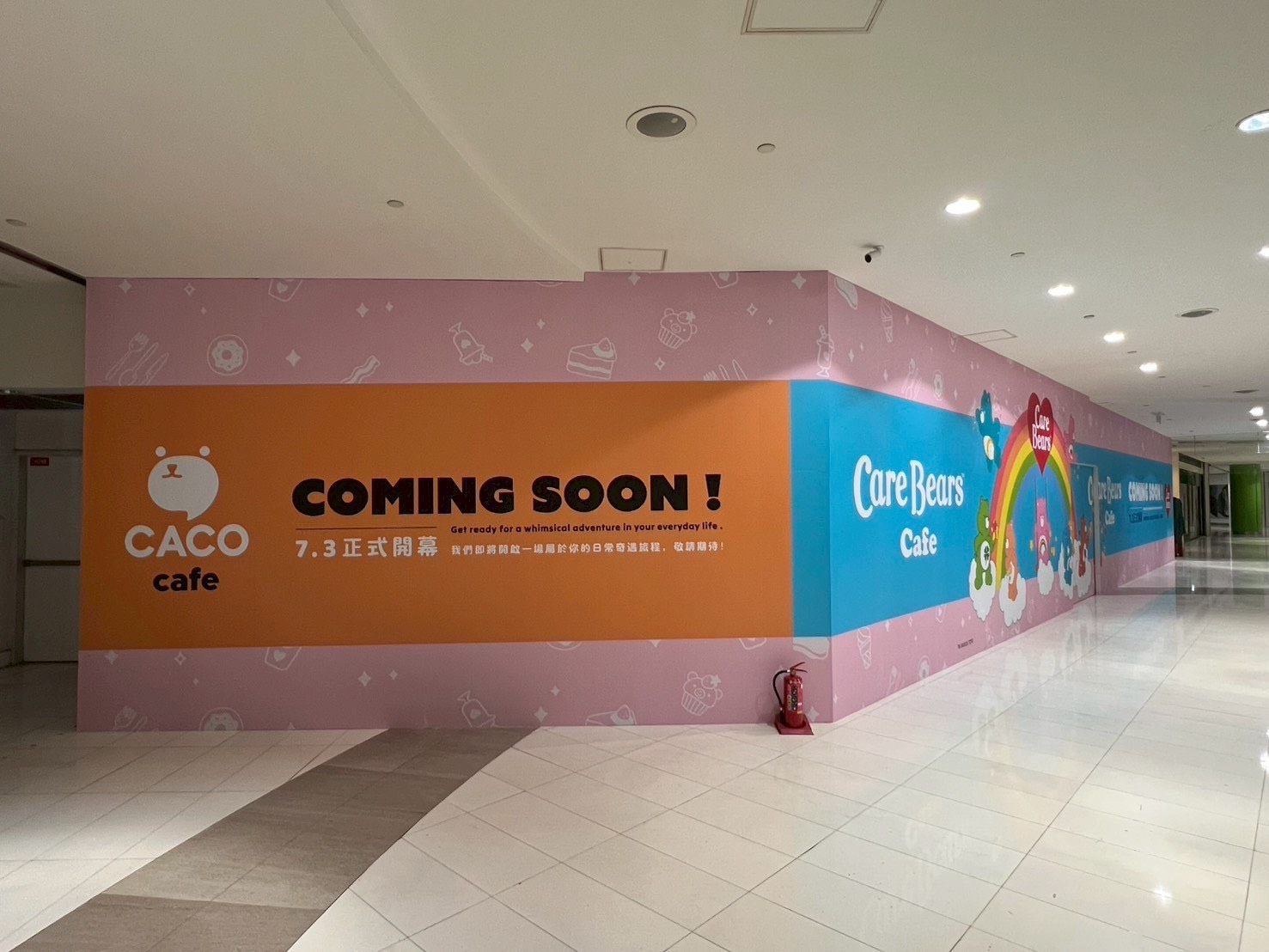
Example of large-format commercial graphic applications. Final media and lamination requirements vary by project.
For actual production, the selected lamination film should always be matched with the underlying printed media and intended installation environment.
What Should B2B Buyers Confirm Before Ordering?
This checklist is especially useful for distributors, importers, printing-material suppliers and professional large-format print businesses comparing products from multiple manufacturers.
- What is the finished graphic application?
- Is the project indoor or outdoor?
- Is Glossy, Matte or Semi-Matte appearance preferred?
- Is additional UV-related protection required?
- Is a textured floor-graphic lamination required?
- What roll width is needed?
- What is the printed media width?
- What film thickness is required?
- What adhesive and liner construction is specified?
- What purchasing quantity is required?
- What packaging or labeling requirements apply?
- Is OEM / ODM or private-label supply required?
- Are third-party testing or compliance documents required?
- What is the destination market?
Testing & Documentation Support
For B2B purchasing and international markets, product selection may also involve regulatory or customer-specific documentation requirements. Depending on the selected product, customer requirement and destination market, Jiu Mao can provide or assist with arranging third-party testing and documentation support related to areas such as:
- Phthalates
- RoHS
- REACH / SVHC
Testing and compliance documentation should always be confirmed according to the specific product, applicable material batch, actual test report and destination-market requirement. This should not be interpreted as a statement that every Jiu Mao product has automatically passed every listed test.
Cold Lamination Film Products from Jiu Mao
- Cold Lamination & Overlaminate Films — Full Range
- Glossy, Matte & Semi-Matte Cold Lamination Films
- Glossy Cold Lamination Film with Liner
- Matte Cold Lamination Film with Liner
- Semi-Matte Cold Lamination Film with Liner
- Anti-UV Glossy Cold Lamination Film with Liner
- Low-Tack Super Gloss UV-Cut Lamination Film with PET Liner
- Embossed Floor Graphic Cold Lamination Film with Liner
- Anti-UV & Floor Graphic Lamination Films
Related Buying Guides
Why Source Cold Lamination Film from Jiu Mao?
Established in 1998, Jiu Mao Industrial is a Taiwan-based manufacturer of cold lamination film, printable vinyl and large-format printing media for professional B2B markets.
Jiu Mao's current cold lamination film portfolio includes Glossy, Matte, Semi-Matte, Anti-UV Glossy, Embossed Floor Graphic and specialty UV-Cut lamination options, with multiple roll widths and film constructions for professional printing and signage applications.
Jiu Mao works with distributors, importers, wholesalers, printing-material suppliers and professional printing businesses. OEM / ODM and private-label requirements can be discussed according to product specifications, roll width, thickness, packaging, labeling, purchasing quantity and technical feasibility.
Evaluating manufacturers for B2B sourcing? Read our How to Choose a Cold Lamination Film Manufacturer: A B2B Sourcing Guide.
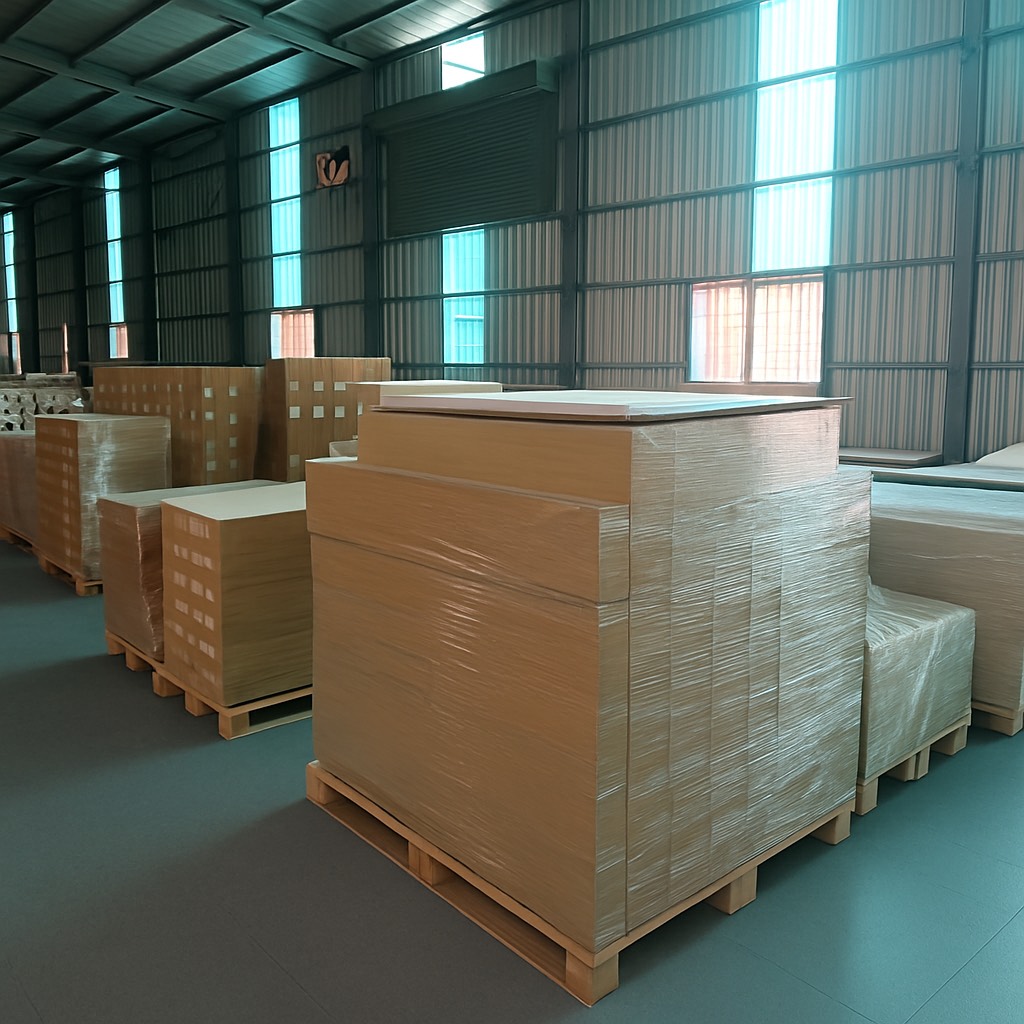
Jiu Mao Industrial — Film roll inventory and B2B supply preparation in Taiwan.
Frequently Asked Questions
What is the best cold lamination film for signage?
There is no single best film for every signage project. Glossy, Matte, Semi-Matte, Anti-UV and embossed floor graphic options serve different visual and application requirements. Selection should begin with the finished application and viewing environment.
Should I choose Glossy or Matte Cold Lamination Film?
Choose Glossy when a brighter, more reflective appearance is preferred. Choose Matte when a softer, lower-reflection presentation is preferred. Semi-Matte can be considered when a balance between the two is desired.
What cold lamination film should I use for outdoor signage?
The appropriate starting point depends on the full graphic system and exposure conditions. Where UV-related fading is a concern, an Anti-UV or UV-Cut option may be considered. Final outdoor suitability should be confirmed according to the selected product and application.
Can Cold Lamination Film be used without heat?
Yes. Cold lamination uses pressure-sensitive adhesive and does not require external heat during application.
What roll widths does Jiu Mao offer?
Jiu Mao currently provides multiple roll widths across its cold lamination film range, including 940 mm, 1295 mm, 1370 mm and 1550 mm depending on the selected product.
Does thicker lamination film always mean better performance?
No. Thickness is only one product specification. Surface finish, application, adhesive, liner, printed media and installation environment should all be considered together.
Can Jiu Mao provide OEM or private-label cold lamination film?
OEM / ODM and private-label requirements can be discussed according to product specifications, roll width, thickness, packaging, labeling, purchasing quantity and technical feasibility.
Can Jiu Mao provide compliance or third-party testing documents?
Third-party testing and documentation support for areas such as Phthalates, RoHS and REACH/SVHC can be discussed according to the selected product, customer requirement and destination market. Buyers should confirm the applicable product and actual test documentation before relying on any compliance statement.
Looking for Cold Lamination Film for Signage or Large-Format Printing?
Tell Jiu Mao your application, required surface finish, roll width, film thickness, purchasing quantity, packaging requirements and destination market. Our team can help confirm the appropriate cold lamination film specification and quotation details.
View Cold Lamination Film RangeContact Us